
Student Growth•January 20, 2025•6 min read
How Chess Enhances Memory & Mental Math in Primary School Kids
♟️
Chessadda Junior Development Specialist
Chessadda Editorial Team
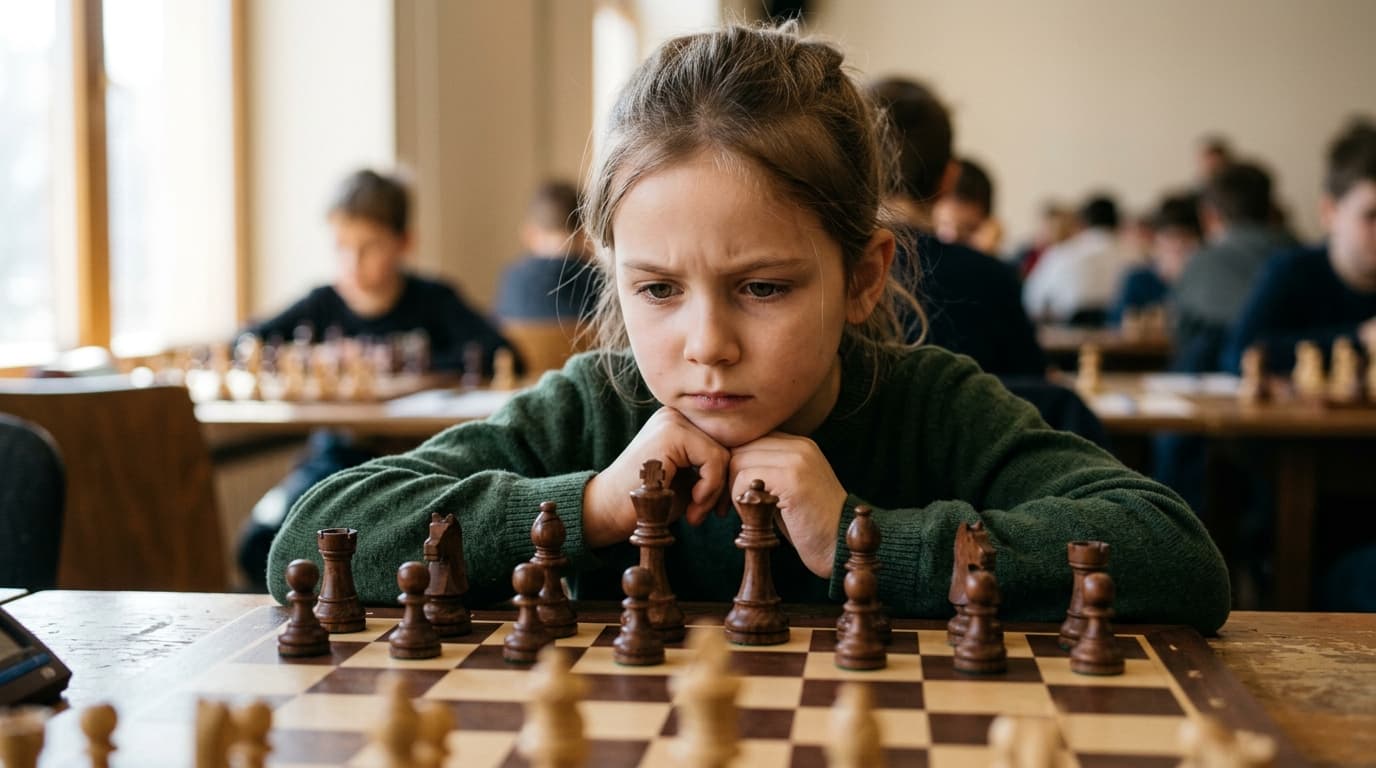
Working memory is often described by neuroscientists as the brain's internal scratchpad—the mental space where we hold information while solving problems. For primary school children aged 5 to 12, regular chess practice provides a fantastic, engaging daily workout for that mental scratchpad!
Visualizing Move Sequences in the Mind's Eye
When a young chess player sits at the board and thinks two or three moves ahead, they aren't physically touching the pieces yet. They are holding a picture of the board in their imagination, moving pieces mentally, and seeing how the position changes. This mental calculation exercise strengthens spatial reasoning, visual memory, and abstract thinking skills that directly support subjects like geometry and physics.Instant Mental Math Calculation
Chess is full of quick value calculations! Kids rapidly calculate piece trades: *"If I trade my Bishop (3 points) for a Rook (5 points), my team gains 2 points!"* This constant arithmetic turns math from abstract schoolwork into an intuitive, real-time strategy game that kids love playing.Nurturing Lifelong Intellectual Habits
Watching your child build mental agility while having fun is one of the greatest joys of coaching.Explore our structured curriculum in our chess courses or book a warm demo class in our online chess classes to see our cognitive learning methods in action!
Ready to See Your Child Master Chess?
Book a FREE interactive 1-on-1 demo session with our certified coaches today and unlock your child's full cognitive potential.
Book Your Free Demo Class